Bee Hexagon Gift Box Paper: A Designer's Review
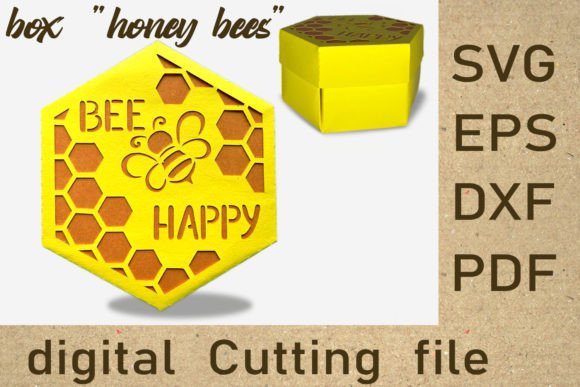
As a designer who spends more time staring at stitch maps than most people spend looking at their phones, I approach every new machine embroidery design with a mix of curiosity and skepticism. We've all been there: you download a file that looks stunning on the screen, only to find it turns into a puckered mess or a thread-breaking nightmare once it hits the hoop. Today, I'm taking a close look at the Bee Hexagon Decorative Gift Box Paper. While the title suggests a paper craft origin—specifically noting its use as a "Wedding favor laser cut jewellery case paper"—my interest lies in how this geometric, nature-inspired motif translates when adapted for textile applications.
The first impression of this design is one of structured whimsy. The hexagon shape provides a modern, architectural frame that feels very current in the world of handmade product trends. It's not just a random bee; it's a contained, deliberate composition. For those of us running a craft business or selling as an Etsy seller, visual consistency is key. The honeycomb geometry offers a natural repeatability that works beautifully for all-over prints or structured patches. The theme strikes a balance between rustic charm and clean lines, making it versatile enough for a baby shower or a boutique home decor line.
Real-World Application: From Screen to Stitch
To truly evaluate the Bee Hexagon Decorative Gift Box Paper, I imagined a specific real-life scenario. Picture a local boutique owner who wants to launch a spring collection of organic cotton tote bags. They need a tote bag design that feels earthy but polished. This hexagon bee motif fits that brief perfectly. Unlike a loose, sketchy bee illustration that might get lost on textured canvas, the defined edges of the hexagon provide a strong silhouette.
When visualizing this as a finished product, the potential is high. If adapted correctly into an embroidery file, this could serve as a central chest logo on a heavy-weight sweatshirt embroidery project. The geometric border allows for a clean satin stitch outline that frames the internal details nicely. For a personalized gift, imagine monogramming the center of the hexagon or placing a small name beneath the honeycomb structure. It elevates a standard item into something that feels custom-made and thoughtful.
However, we must address the elephant in the room: the source material description mentions "SVG Cut File" and "DX," categorizing it under Objects and 3D SVG. This indicates the original asset is likely a vector intended for laser cutting paper or cardstock. As an embroidery professional, this is a crucial distinction. You cannot simply feed a laser-cut vector directly into your embroidery machine without significant manipulation. The stitch density required for paper cutting is non-existent, whereas embroidery requires built-up thread coverage. If you are purchasing this expecting a ready-to-stitch digital embroidery file, you need to verify the format. If it is indeed a cut file, you will need to digitize it or convert it carefully, ensuring you add the necessary underlay and pull compensation for fabric.
Navigating Fabric Challenges and Hoop Constraints
Assuming we are working with a properly digitized version of this motif for fabric, let's talk about where it shines and where it demands caution. The hexagonal shape is generally friendly to standard hoop sizes, but the corners of the hexagon can be tricky. On stretchy fabrics like jersey knits used for custom apparel, sharp angles have a tendency to pull if the stabilizer isn't robust enough. I would strongly recommend using a cut-away stabilizer for this design to maintain the crispness of the geometric lines over time.
Texture is another factor. If you are stitching this onto a rough linen tea towel or a waffle-weave blanket, the fine details inside the bee might get lost. In those cases, simplifying the internal fill stitch areas or opting for a bolder applique design approach might yield better results. Conversely, on smooth broadcloth or high-thread-count pillowcases, the detail will pop, creating a high-end look suitable for nursery decor or holiday embroidery gifts.
Dark fabrics present their own set of challenges. If the design relies on fine running stitch details for the bee's wings or antennae, these might vanish against a navy or black background. A smart move for any small shop product line is to test the design in a "black and white" mockup first to check contrast. You may need to adjust thread colors to ensure the bee stands out against the hexagon border, perhaps using a metallic gold or a bright yellow to create that necessary visual separation.
Commercial Viability and Brand Perception
For commercial embroidery projects, the perceived value of the Bee Hexagon Decorative Gift Box Paper design is significant. Customers associate geometric precision with professionalism. A sloppy, wandering stitch pattern can make a brand look amateur, but a tight, well-defined hexagon suggests attention to detail. This design has the potential to become a signature element for a brand focusing on eco-friendly or nature-themed goods.
Consider its use on an embroidered patch. The self-contained nature of the hexagon makes it an ideal candidate for a merrowed edge patch. These are incredibly popular right now for jackets and backpacks. If you are a digital product seller offering mockups, this design provides excellent opportunities for creating realistic printable mockup scenes that appeal to buyers looking for cohesive branding assets.
However, before listing this as a design asset or using it in client work, you must confirm the licensing terms. The description mentions it is designed for electronic cutting machines. Does the license extend to commercial embroidery use? Are you allowed to sell the stitched finished product? These are questions that can save you from legal headaches down the road. Always read the fine print regarding commercial embroidery rights.
Final Verdict and Practical Notes
In conclusion, the Bee Hexagon Decorative Gift Box Paper offers a compelling aesthetic that bridges the gap between modern geometry and natural themes. Its potential in the realm of baby embroidery, wedding favors, and boutique apparel is undeniable. However, the transition from a "cut file" concept to a stitched reality requires a knowledgeable hand.
If you are planning to use this in your next embroidery project, here are my top recommendations:
- Test First: Always stitch out on a scrap piece of your actual production fabric. Don't guess how the fabric texture will interact with the stitches.
- Check the Format: Verify if you are receiving a true embroidery file or a vector that needs digitizing. Do not assume compatibility with your machine.
- Stabilize Heavily: Geometric shapes demand stability. Use the right stabilizer to prevent distortion in the hexagon corners.
- Contrast Check: Ensure your thread colors provide enough contrast, especially if stitching on dark or patterned materials.
- Review Licensing: Confirm that your intended use, whether for personal gifts or Etsy listings, aligns with the creator's terms.
With the right preparation and respect for the medium, this design can be a standout addition to your portfolio, delivering the kind of quality that builds customer trust and keeps them coming back for more.