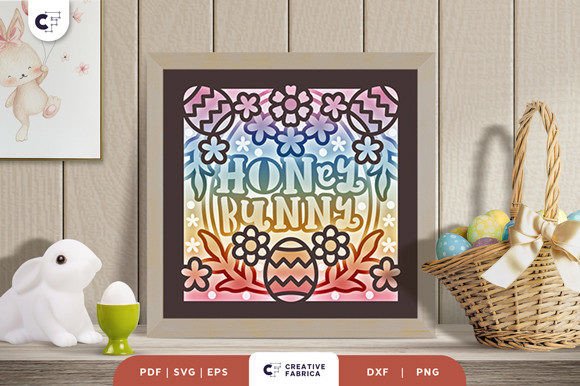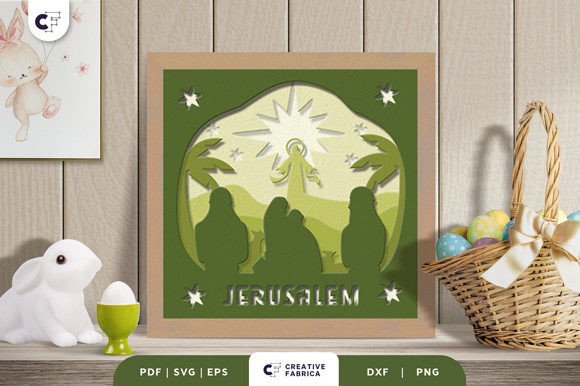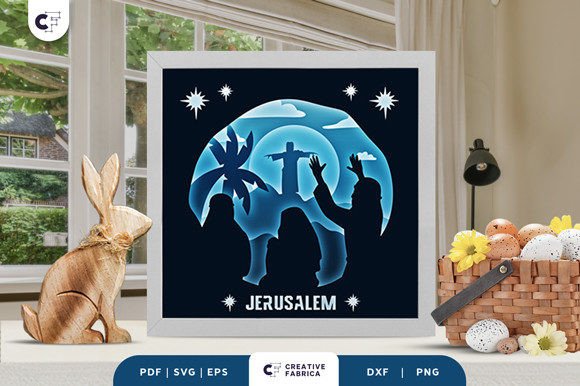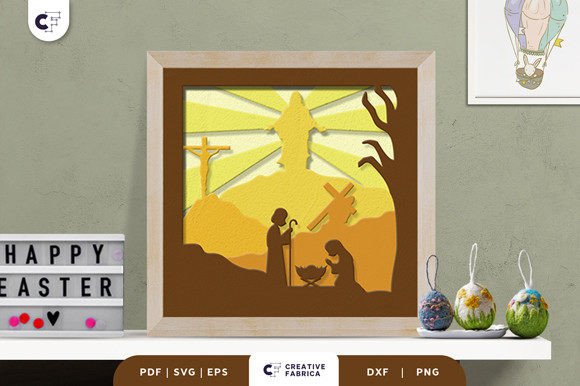
Easter Box Card Template DIY: A 3D SVG Review
As a brand designer and content marketer, I am constantly evaluating new graphic design assets to see if they can elevate a client's seasonal campaign without compromising professional standards. Recently, I reviewed the Easter Box Card Template DIY for a potential project involving a small artisanal chocolate shop looking to refresh their spring packaging and social media presence. My goal was to determine if this digital product could serve as more than just a cute craft; I needed to know if it could function as a viable component of a cohesive brand identity.
First Impressions and Emotional Tone
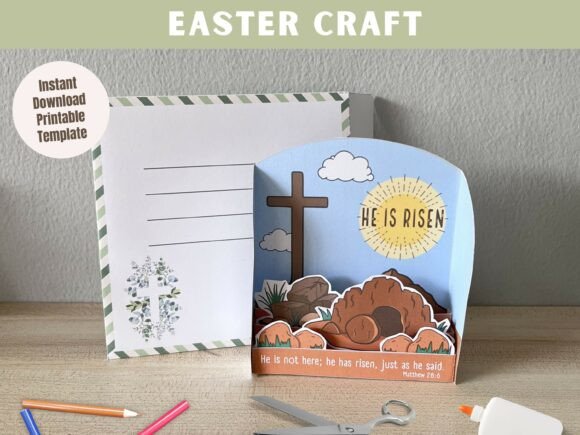
Upon opening the files, the immediate impression is one of playful nostalgia. The 3D SVG structure suggests a tactile experience that digital-only graphics often lack. For a brand targeting families or lifestyle consumers, this asset creates a warm, inviting mood. It feels less like a corporate advertisement and more like a personal invitation. The design leans heavily into the spirit of The story of Easter Sunday, offering a narrative element that encourages interaction. This is crucial for content marketing, where engagement drives visibility. However, for premium luxury brands, the "craft" aesthetic might feel too casual unless paired with high-end typography and restrained color palettes. The emotional tone is joyful and community-focused, making it ideal for small business branding that relies on personal connection.
Integrating the Asset into Marketing Workflows
In a real-world marketing scenario, versatility is key. I tested how this printable design could adapt across various channels. For packaging design, the box card serves as an excellent insert or a standalone gift container, adding value to the unboxing experience. When scaled down for product labels or stickers, the clean lines of the SVG design hold up well, provided the details are not too intricate for small-scale printing.
For social media graphics, particularly Instagram posts and Pinterest pins, the 3D nature of the asset provides a unique visual hook. Instead of flat imagery, showing the assembled box card creates depth and curiosity. It works exceptionally well for editorial design within blog posts about holiday traditions or for digital ads promoting a seasonal sale. The asset supports visual hierarchy by acting as a central focal point, drawing the eye before the viewer reads the copy. It transforms standard marketing visuals into something memorable, fostering stronger audience trust through perceived effort and creativity.
Strategic Applications for Brand Growth
The true power of the Easter Box Card Template DIY lies in its ability to support specific marketing goals. A strong first impression is vital during product launches, and this asset delivers by breaking the monotony of standard rectangular ads. It aids in creating consistent branding when used as part of a larger design bundle that includes matching banners and email headers. By incorporating this illustration into a campaign, brands can improve product presentation, making even simple items feel like special occasion gifts.
I found it particularly effective for:
- Hero graphics on landing pages to announce spring collections.
- Campaign headers for email newsletters driving traffic to seasonal offers.
- Packaging accents that turn a standard shipment into a branded experience.
- Promotional banners for local events or pop-up shops.
- Content bundles offered as lead magnets to grow email lists.
When used correctly, it strengthens recognition and builds an emotional connection with the audience, reminding them of the joy associated with the holiday.
Limitations and Careful Usage
Despite its strengths, this asset requires careful handling. It is not suitable for formal corporate branding where minimalism and strict grid systems are paramount. In dense information layouts, such as detailed infographics or text-heavy ads, the decorative nature of the box card can compete with the main message, causing visual clutter. Furthermore, on small mobile graphics, the intricate cut lines of the 3D SVG may become indistinct, reducing readability. Brands with an overly minimal aesthetic should use this sparingly, perhaps only as a subtle background texture or a monochrome accent, to avoid disrupting their established professional branding. It is also essential to ensure high contrast when placing the asset on busy backgrounds to maintain clarity.
Practical Notes for Designers and Marketers
Before deploying this creative design in a paid campaign or client work, several practical steps are necessary. First, test the asset with your specific brand color palette. While the default colors are festive, adapting them to match your brand guidelines ensures consistency. Check how the design performs in black and white, as many users will print these at home on standard printers. Always place the asset inside real campaign mockups to gauge scale and proportion. Preview the final designs on mobile screens to ensure the details remain sharp and the call-to-action is clear.
Typography pairing is another critical factor. This clipart style pairs beautifully with handwritten fonts for a personal touch or display fonts for a bold statement. However, it can look disjointed if paired with rigid, industrial sans-serif fonts unless intentionally juxtaposed for a modern look. Review the spacing and balance around the box card to ensure it breathes within the layout. Finally, and most importantly, confirm the commercial license terms. Ensure you have the rights to use this design asset in commercial projects, especially if you are selling the final physical product or including it in a paid Canva template for customers.
Final Verdict on Campaign Value
The Easter Box Card Template DIY is a robust tool for creators who understand how to leverage interactive elements in their visual content creation. It bridges the gap between digital promotion and physical engagement. For bloggers, online coaches, and product creators, it offers a fresh way to discuss Kids activity for Easter Sunday or share an Easy print, colour and cut activity that resonates with parents. It allows brands to say, "Enjoy this easy to print and make on your own Easter craft for this year," effectively turning their audience into participants. When integrated thoughtfully, it elevates modern design standards by adding a layer of tangible value that static images cannot achieve. For those in the creative marketplace, this asset represents a smart investment for spring campaigns, provided it is executed with attention to detail and brand alignment.