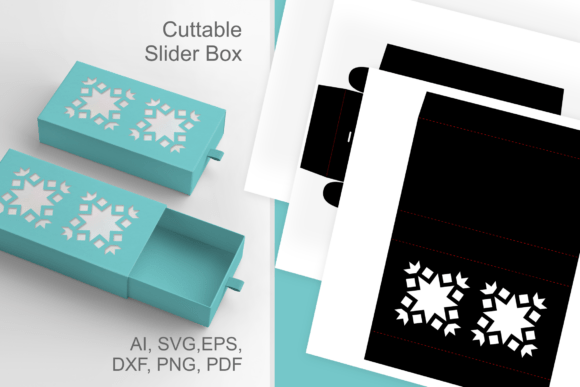
Winter 2 Cutout: A Designer's Review for Real Projects
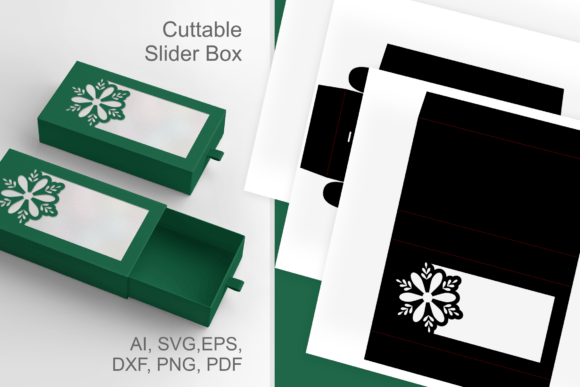
As a designer who spends more time at the hoop than away from it, I approach every new digital embroidery file with a mix of excitement and skepticism. We have all downloaded a beautiful preview only to find the stitch path is a nightmare or the density is too high for standard cotton. When I first pulled up the Winter 2 Cutout - Slive N Drawer Box SVG, my initial reaction was to pause and consider the context. The product description highlights its origin as a paper cut template for a 2-part sliding drawer favor box, featuring decorative square cutouts. While this is technically categorized under 3D SVG and intended for papercraft, my mind immediately went to how these geometric winter motifs could translate into a machine embroidery design for custom apparel and home decor.
Visual Personality and First Impressions
The aesthetic of the Winter 2 theme is crisp, architectural, and undeniably seasonal without being overly cliché. Unlike designs that rely heavily on complex snowflakes or cartoonish characters, this layout offers a structured, modern vibe. The "decorative holes" mentioned in the source material suggest negative space, which is a goldmine for embroidery if handled correctly. In a stitched format, these cutouts translate beautifully into open work or contrasting fill stitch areas that allow the fabric texture to peek through. The mood is quiet and sophisticated, perfect for boutique branding where you want your handmade product to feel elevated rather than crafty in a juvenile sense.
For an Etsy seller or small shop owner, visual consistency is key. This design carries a specific weight; it feels like something you would see on high-end holiday packaging or a luxury winter collection. If you are looking to create a cohesive line of holiday embroidery items, this motif provides a strong anchor. It avoids the clutter that often plagues seasonal designs, making it versatile enough for both a subtle chest logo on a sweatshirt or a bold statement on a tote bag.
Real-World Application: The Holiday Gift Scenario
Let's walk through a realistic scenario. Imagine a client comes to you needing a set of coordinated gifts for a corporate holiday party or a family reunion. They want something that feels personalized but professional. You decide to use the geometry found in the Winter 2 Cutout - Slive N Drawer Box SVG as the basis for a custom embroidered patch or a direct stitch on heavy canvas tote bags.
In this situation, the square cutout elements of the design become your focal point. On a navy blue canvas tote, stitching these shapes in a metallic silver or crisp white thread creates a striking contrast. The "sliding drawer" concept of the original paper product inspires a layered approach in embroidery. You might consider using an applique design technique here, layering a lighter fabric underneath the cutout sections of the top fabric to mimic the depth of the paper box. This adds a tactile element that customers love to touch, increasing the perceived value of your finished product.
Alternatively, think about sweatshirt embroidery. A oversized, boxy crewneck is a staple item for winter. Placing a simplified version of this winter motif on the sleeve or the lower hem gives a streetwear edge to a classic garment. The clean lines of the design ensure that even from a distance, the branding or decorative element is recognizable. For baby embroidery, scaling this down for a onesie or a burp cloth works well because the simple shapes are visually stimulating for infants without being overwhelming.
Technical Considerations for Stitching
While the visual potential is high, we must discuss the technical execution. Since the source file is a vector intended for cutting, adapting it for embroidery requires careful attention to stitch density. If you are digitizing this yourself or purchasing a converted version, you need to ensure that the "decorative holes" do not compromise the structural integrity of the stitch field. Large areas of open space can lead to fabric puckering if not properly supported.
Stabilizer choice becomes critical here. For stretchy fabrics like jersey knits used in t-shirts, a cut-away stabilizer is non-negotiable to prevent the design from distorting after washing. If you are working on textured fabrics like wool blankets or terrycloth towels, the sharp corners of the square cutouts might get lost. In those cases, increasing the satin stitch width or adding a border can help define the edges. Always test the design on scrap fabric first. What looks perfect on the screen might behave differently when thousands of stitches pull on the material.
Pay close attention to the hoop size required. If you plan to use this on curved surfaces like caps, ensure the design fits within a smaller hoop and that the digitizing accounts for the curvature. Detailed corners in small hoop sizes can be tricky; if the design is too intricate, those sharp points might turn into blobs of thread. Review the stitch path to ensure there are no unnecessary jumps or trims that could slow down production in a commercial embroidery setting.
Enhancing Brand Value and Customer Trust
Using a distinct design like the Winter 2 Cutout - Slive N Drawer Box SVG adapted for textiles can significantly boost your brand's professional image. Consistency in design language builds trust. If a customer buys a pillow cover with this motif and later sees a matching apron or kitchen towel, they recognize your style immediately. This recognition drives repeat business.
Furthermore, the quality of the stitch directly impacts customer satisfaction. A clean, well-density-balanced design shows that you care about the longevity of the item. Products that withstand frequent washing without losing their shape or color vibrancy generate positive reviews and word-of-mouth referrals. When creating printable mockups for your online store, ensure the digital representation matches the reality of the stitched item. Misleading previews can lead to returns, so honesty in presentation is part of the design process.
Practical Notes for the Working Designer
Before committing to a full production run, keep these practical steps in mind:
- Check Thread Contrast: Test your design in black and white mockups first to ensure the shapes remain distinct without relying solely on color.
- Verify Licensing: Since the original asset is described as a paper cut template, confirm the licensing terms before selling finished embroidered goods. Ensure you have the right to use the design for commercial embroidery projects.
- Fabric Compatibility: Be cautious with thin or sheer fabrics. The density required to make the winter shapes pop might be too heavy for delicate materials.
- Detail Inspection: Zoom in on the digital file. Are the corners sharp? Is the spacing between the "cutouts" wide enough to hold stitches?
- Wash Testing: Always wash and dry a sample piece. This reveals if the stabilizer was sufficient and if the threads bleed or shrink.
In conclusion, while the Winter 2 Cutout - Slive N Drawer Box SVG starts as a paper crafting asset, its geometric purity makes it a strong candidate for adaptation into the world of textile art. With the right digitizing adjustments and material choices, it can elevate a simple tote bag design or custom apparel piece into a standout item for the season. As designers, our job is to look past the intended use of a file and see its potential in our specific medium. This design offers that potential, provided we respect the technical limits of the embroidery machine and the fabric we are working with.