Pop Up Photo Card: A 3D SVG Gem for Pop-Up Cards
As a digital publisher who has spent years curating graphic design assets for high-traffic blogs and editorial sites, I approach every new download with a critical eye. It is not just about whether an image looks pretty; it is about whether it functions within a real-world content workflow. When I first opened the files for the Pop Up Photo Card, my immediate reaction was one of intrigue regarding its structural potential. This is not merely a flat illustration; it is a dynamic 3D SVG that brings a sense of depth and interaction to the screen that flat PNGs simply cannot match.
The visual mood created by this asset is distinctly celebratory yet organized. It strikes a balance between playful creativity and structured elegance, making it an ideal fit for lifestyle niches, family-oriented blogs, travel journals, and creative entrepreneurship sites. The design suggests a moment of revelation—perfect for content that aims to surprise the reader or unveil a new idea. For publishers focusing on small business branding or personal storytelling, this asset offers a unique way to break the monotony of standard stock photography.
Integrating Depth into Your Editorial Workflow
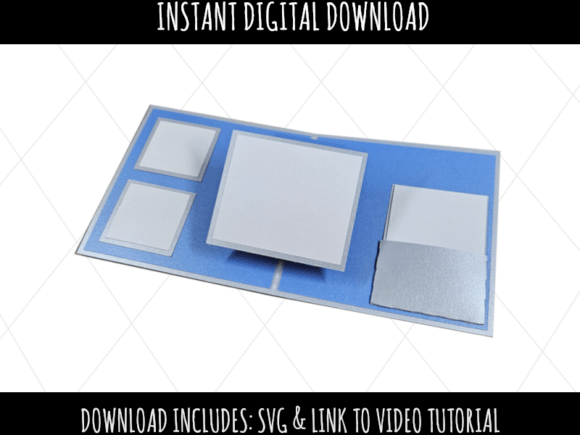
In the context of editorial design, hierarchy is everything. The Pop Up Photo Card excels here because of its inherent dimensional quality. The central mechanism, where the photo area twists and rises from the middle, naturally draws the human eye inward. In a real publishing scenario, I envision using this as a focal point for blog graphics that announce a major update, a new product launch, or a seasonal collection. Unlike static headers, this design implies movement, which can significantly boost engagement rates on social platforms.
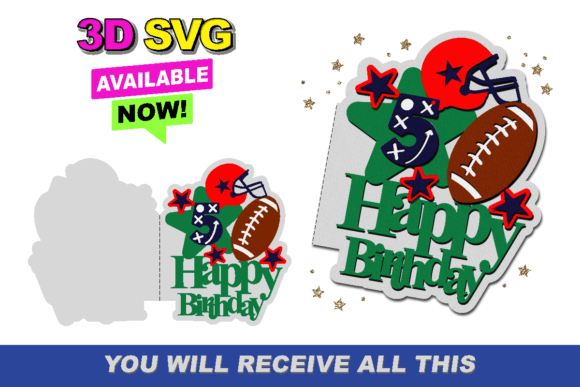
Consider the specific layout features: the two frames on the left side offer dedicated space for supplementary text or secondary imagery, while the pocket element provides a grounded base for branding or calls to action. This structure is invaluable for creating Pinterest pins that need to convey multiple pieces of information without looking cluttered. You can place a headline in the rising center, a sub-headline in the side frames, and your logo in the pocket, creating a cohesive visual hierarchy that guides the viewer's attention logically.
For those of us managing content marketing strategies, versatility is key. This asset transitions seamlessly from a website header to a digital guide cover. Because it is a vector-based 3D SVG, it scales infinitely without losing crispness. Whether you are designing a massive hero image for a landing page or a tiny thumbnail for a mobile newsletter, the lines remain sharp. This scalability ensures that your brand identity remains professional across all devices, reinforcing reader trust through consistent, high-quality visuals.
Maximizing Click-Through Potential and Reader Trust
The ultimate goal of any web design element is to encourage interaction. The Pop Up Photo Card supports this by offering a "peek-a-boo" aesthetic that triggers curiosity. When used in affiliate marketing visuals, for instance, the popping center can frame a product image, making it feel like a gift being presented to the reader. This psychological cue can lead to stronger click-through potential compared to generic rectangular banners.
Furthermore, the polished nature of this creative design elevates the perceived value of your content. If you are selling a digital product or offering a lead magnet, the quality of your accompanying graphics directly influences the customer's perception of the product's worth. Using a sophisticated asset like this signals that you care about details, which translates to higher reader trust. It moves your site away from looking like a amateur hobby project and toward a professional commercial design standard.
I have found that this type of asset works exceptionally well for category thumbnails and navigation accents. It helps users visually distinguish between different sections of a website, such as separating "Tutorials" from "Reviews." The distinct shape of the pop-up mechanism acts as a visual anchor, improving category recognition and helping visitors navigate your content ecosystem more intuitively.
Strategic Placement and Practical Considerations
While the Pop Up Photo Card is a powerful tool, it must be deployed strategically. It shines brightest in hero images, article thumbnails, and dedicated social media graphics where there is enough screen real estate to appreciate the 3D effect. It is also fantastic for printable design projects, such as downloadable worksheets or greeting cards included in a Canva template bundle. However, caution is required when using it in small mobile thumbnails where intricate details might get lost, or in text-heavy layouts where the complex shapes could compete with headlines for attention.
From a technical standpoint, there are several publisher notes to keep in mind. First, always test the asset on both desktop and mobile screens. What looks balanced on a wide monitor might feel cramped on a smartphone. Second, pay close attention to contrast. Since the design involves layers and shadows, ensure that any text placed over or near the card stands out clearly against the background. I recommend testing it with various typography styles—pairing it with a clean sans-serif for a modern look, or a script font for a more feminine, artistic vibe.
File performance is another critical factor. While SVGs are generally lightweight, ensure that any rasterized versions you export for web use are properly compressed to maintain fast load times. Slow pages kill SEO and user retention. Finally, and perhaps most importantly for monetized sites, always confirm the commercial license terms before integrating this into paid content products, affiliate pages, or client work. Understanding the licensing from the creative marketplace where you sourced the file protects your business from legal issues down the line.
In conclusion, the Pop Up Photo Card is more than just a decorative element; it is a functional component of a modern digital download strategy. Its ability to create depth, organize information, and evoke emotion makes it a standout choice for bloggers and designers looking to upgrade their visual communication. By understanding its strengths and limitations, you can leverage this 3D SVG to create content that not only looks beautiful but performs effectively in the crowded digital landscape.